Why We’re Questioning a £6,000 Electricity Connection
One of the biggest barriers to launching a small business isn’t finding customers, creating a product or even securing a building.
Sometimes, it’s simply getting connected to the electricity network.
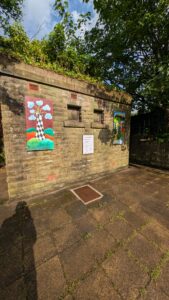
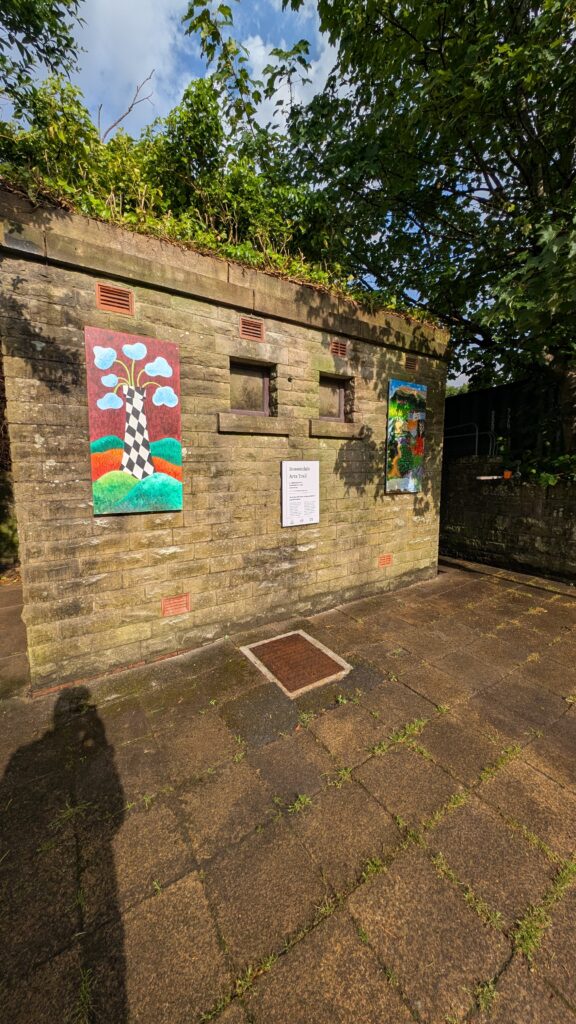
At The Eden-field Project, we’re transforming the former public toilets in Edenfield into a self-service Village Larder—a space where local growers, makers and producers can sell fresh food and produce.
Our aim has always been simple: support local businesses, reduce food miles and give residents easy access to locally produced goods whilst bring an old part of Edenfield back in to use. Then we received the quotation to reconnect the building to the electricity network.
The cost?
£6,098.11. The quotation covers construction works, excavation, cable installation and local authority permissions before the building can even begin using electricity. This cost doesn’t cover the other fees relating to the works on the private land and post meter installation. For a large commercial development, this may be expected.
For small community projects, organisations run by volunteers or groups supported by grants, it’s a significant investment. It also raises an important question…
Do Small Businesses Still Need a Traditional Grid Connection?
Technology has changed dramatically over the past few years.
Modern battery storage systems and solar panels are now capable of powering many small commercial buildings without relying on the National Grid.
Products such as the EcoFlow STREAM system have made it possible for small premises to generate, store and manage their own electricity, particularly where daily energy consumption is relatively low. Not to mention this year’s very recent changes to allow plug-and-play solar systems!
For the Village Larder, our expected electricity usage includes:
- LED lighting
- CCTV and security systems
- Card payment terminal
- Wi-Fi router
- Refrigeration
- Small appliances for maintenance
These are all loads that can potentially be supported by a well-designed solar and battery system.
Why Going Off-Grid Could Make Sense
For projects like The Village Larder, the biggest advantage is obvious.
Rather than spending over £6,000 simply accessing electricity, that investment could instead be used to:
- Install solar panels
- Purchase battery storage
- Fit out refrigeration
- Support local producers
- Improve the customer experience
- Invest in future community projects
Instead of paying for infrastructure before opening the doors, we could be investing directly into creating a thriving local business. There are environmental benefits too.
Generating renewable electricity on-site aligns perfectly with The Eden-field Project’s wider mission of encouraging sustainability, biodiversity and resilient local communities. An off-grid building also continues operating during power cuts, helping protect refrigeration, security systems and payment facilities.
The Challenges of Living Off-Grid
Of course, an off-grid system isn’t suitable for every business.
- Winter months produce less solar energy.
- Battery capacity needs careful planning.
- Future expansion may require additional storage or more solar panels.
- Businesses with commercial kitchens, workshops or heavy machinery are still likely to benefit from a traditional grid connection.
However, for low-energy community buildings like honesty shops, village larders and information hubs, battery technology is becoming a genuine alternative.
Are Infrastructure Costs Holding Rural Businesses Back?
Our experience has highlighted a much bigger issue.
Across the UK, communities are being encouraged to create local food hubs, honesty shops, repair cafés and community enterprises. Yet many of these projects begin with ageing buildings that have no live utilities.
Before a single shelf is installed or one customer walks through the door, thousands of pounds can disappear reconnecting electricity.
That raises an important question.
Are infrastructure costs unintentionally preventing small businesses and community organisations from getting started?
If renewable technology can provide a safe, reliable and environmentally friendly alternative, should more rural projects be encouraged to consider it?
What We’re Exploring Next
We haven’t made a final decision.
Connecting to the electricity network offers long-term reliability and virtually unlimited capacity for future growth.
Equally, investing in solar panels and battery storage could reduce our upfront costs, lower our environmental impact and demonstrate how community projects can embrace renewable energy from day one. Whichever route we choose, we’ll share the journey openly so other villages, community groups and rural entrepreneurs can learn from our experience. If our research helps another community save money—or inspires another Village Larder to open—then it will have been worthwhile.
Building More Than a Village Larder
The Eden-field Project has always been about finding practical ways to strengthen our community.
Sometimes that means planting wildflowers.
Sometimes it means creating habitats for wildlife.
And sometimes it means asking whether there’s a better, more sustainable way to power the places that bring communities together.
It could help shape the future of small rural businesses across the UK.
Follow Our Progress
We’ll continue sharing updates as The Village Larder develops, including our research into solar energy, battery storage, construction progress and opportunities for local producers to become involved.
If you’d like to follow the journey, keep an eye on The Eden-field Project website or follow us on social media as we bring this exciting community space to life.